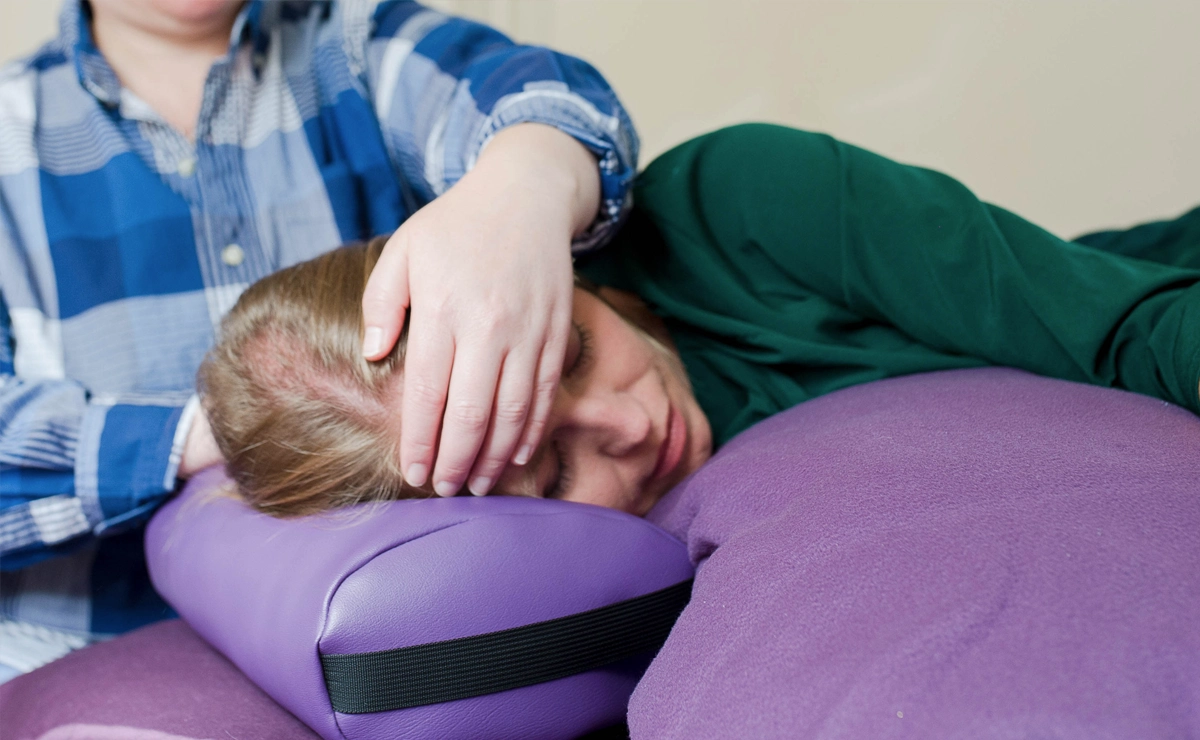
Craniosacral Therapy in Belfast
A gentle, trauma-aware approach supporting relaxation, body awareness and emotional wellbeing.
What is craniosacral therapy?
Craniosacral therapy is a subtle form of bodywork in which the therapist uses light, respectful touch. Despite its name, the therapy does not focus only on the head. Contact may be made at the head, spine, pelvis and other areas of the body, depending on your individual needs and comfort.
Many people experience craniosacral therapy as deeply calming. Clients often describe feelings of stillness, comfort, relaxation and greater connection with their bodies.
Rather than forcing or manipulating the body, the practitioner works gently and responsively, adapting the session to you. This makes craniosacral therapy particularly appealing to people who prefer a light-touch approach or find some other forms of treatment overstimulating.
At Belfast Wellness Clinic, craniosacral therapy can be experienced as a standalone treatment or as part of a wider, integrated approach to health and wellbeing.
Who is craniosacral therapy for?
Physical tension, emotional wellbeing and everyday stress can all influence how we experience our bodies. Craniosacral therapy provides a quiet, supportive space in which you can slow down and become more aware of physical sensations and patterns of tension.
People come to us for many different reasons. You might consider craniosacral therapy if you:
- feel physically tense or find it difficult to relax
- feel overwhelmed, unsettled or disconnected from your body
- are experiencing a demanding or stressful period
- want to develop greater awareness of your body
- would value quiet time for rest and reflection
- are seeking body-based support alongside other care
- would like to support a young child or baby who is unsettled or experienced birth difficulties
Everyone experiences craniosacral therapy differently. Your practitioner will listen to what brings you to the clinic and tailor the session to your individual circumstances.
Craniosacral therapy for stress and trauma
Stressful or traumatic experiences can affect how people feel and respond in their bodies. Some people experience ongoing tension, heightened alertness, difficulty relaxing or a sense of disconnection from physical sensations.
Our trauma-aware approach does not require you to recount or analyse difficult experiences. Instead, the practitioner works at a pace that respects your boundaries, choices and responses.
Gentle touch, deep listening and embodied awareness can provide an opportunity to feel more present, grounded and connected with your body. People living with the effects of trauma may use craniosacral therapy to support them in:
- noticing their physical responses to stress
- developing greater awareness of bodily sensations
- experiencing a sense of grounding and connection
- building a more comfortable relationship with their body
- developing their capacity for self-regulation
You remain in control throughout the session. The practitioner will explain the process, seek your agreement and adapt or stop the contact whenever requested.
Craniosacral therapy can complement counselling, psychotherapy and other approaches to trauma recovery.
What happens during a craniosacral therapy session?
Your first appointment begins with a conversation about your reasons for attending, your health history and anything that may affect the treatment. This gives you an opportunity to ask questions and helps the practitioner understand your needs, preferences and boundaries.
During the treatment:
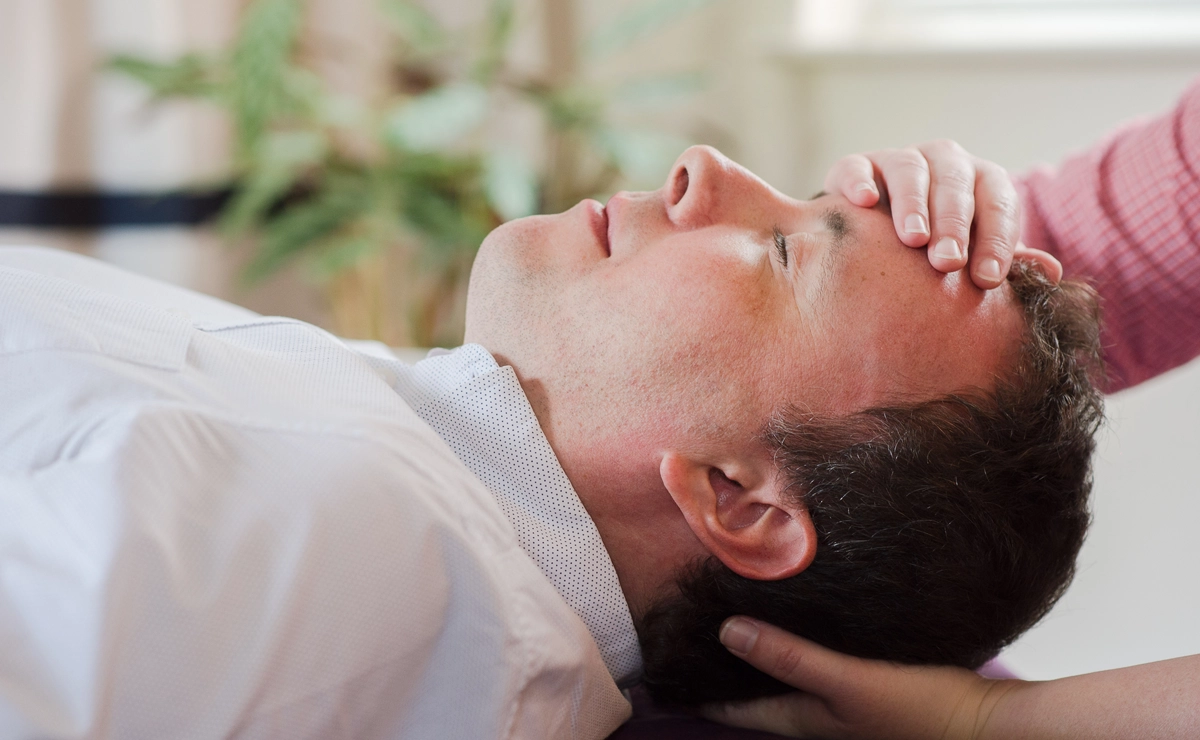
- you will usually lie fully clothed on a comfortable treatment table, although the session can be adapted
- the practitioner uses gentle contact at areas such as the head, shoulders, spine, pelvis or feet
- the pace and level of contact are adjusted to your comfort
A typical appointment lasts approximately one hour, although timings can vary.
The therapist may sometimes make contact with areas away from where you notice tension or discomfort. This reflects the whole-body nature of the approach and will be discussed with you where appropriate.
How might I feel afterwards?
Experiences vary from person to person. Some clients report feeling calm, rested, grounded or more aware of their bodies following a session. Others notice changes more gradually over the following day or two.
Some people choose a single session, while others return periodically because they value the relaxation, body awareness and supportive space it provides. Your practitioner can discuss what feels most appropriate for you.
Craniosacral therapy for babies and children
Because it uses very gentle touch, craniosacral therapy can be adapted for babies and children. Parents sometimes bring their babies following a difficult or challenging birth, or because their baby appears unsettled.
The practitioner works gently and responsively, allowing the baby or child to set the pace. A parent or guardian remains present throughout the appointment, and feeding, comforting or movement can be accommodated as needed.
Craniosacral therapy can be used as a supportive approach alongside appropriate neonatal, paediatric, midwifery or health visitor care.