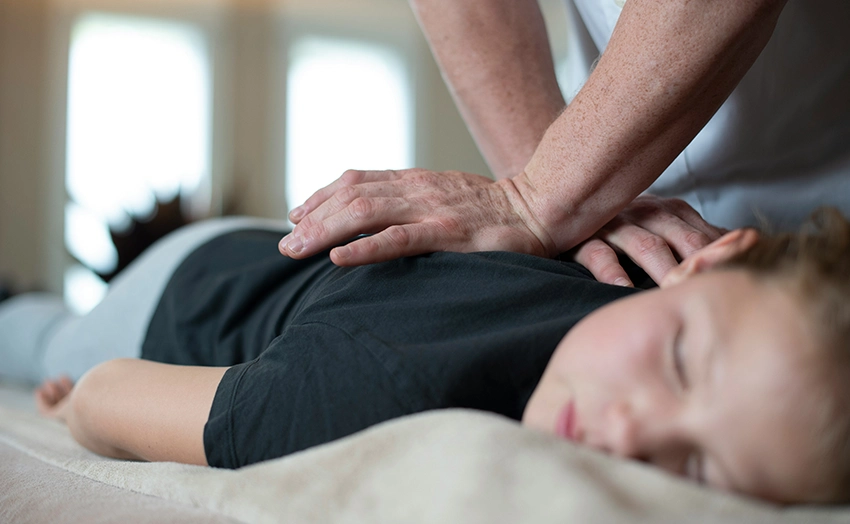
Sports Injury Treatment and Rehabilitation in Belfast
Recover from injury, rebuild confidence and return safely to the activities you enjoy.
A sports injury can affect more than your physical performance. It may prevent you from training, taking part in your chosen sport or simply staying active. Without appropriate assessment and rehabilitation, it can also become a recurring problem.
At Belfast Wellness Clinic, chiropractor and rehabilitation specialist Ollie Palmer provides personalised sports injury assessment, treatment and exercise rehabilitation. Whether you are a competitive athlete, regular gym-goer, weekend runner or simply want to remain active, Ollie will help you understand the problem and develop a realistic route back to movement.
Our sports injury clinic is located on the Ormeau Road, close to Belfast city centre.
Do I need to be an athlete?
You do not need to compete at a high level to benefit from sports injury rehabilitation.
Our clients include runners, cyclists, swimmers, footballers, rugby players, golfers, gym users and people returning to exercise after time away. We also help those whose pain or reduced mobility is affecting everyday activities rather than a particular sport.
You may benefit from an assessment if you are:
- recovering from a recent sports injury
- experiencing a recurring strain or area of pain
- struggling with stiffness or reduced movement
- returning to exercise after an extended break
- finding that an old injury is limiting your performance
- unsure how to exercise safely following injury
- experiencing discomfort during running, cycling or gym training
- concerned that you may injure yourself again
Early assessment can help you understand what may have happened and what steps to take next.
Common sports injuries and problems
Ollie works with a wide range of sports-related and musculoskeletal problems, including:
- muscle strains and ligament sprains
- back and neck pain
- shoulder pain and restricted movement
- hip, knee and ankle problems
- running and cycling-related injuries
- gym and weight-training injuries
- overuse and repetitive strain problems
- muscular tightness or imbalance
- reduced mobility following injury
- recurring pain when returning to sport
Not every problem that occurs during sport is caused by the activity itself. Training load, technique, previous injury, strength, mobility and recovery can all influence how your body responds.
What happens during a sports injury assessment?
Your first appointment begins with a conversation about the injury, how it occurred and how it is affecting you. Ollie will also ask about your sport or activity, training routine, previous injuries and the goals you want to achieve.
He will then carry out an appropriate physical assessment, which may include looking at:
- posture and movement patterns
- joint mobility
- muscle strength and flexibility
- balance and control
- movements associated with your sport
- activities that trigger your symptoms
Ollie will explain his findings in clear language and discuss the available treatment and rehabilitation options with you. If your injury requires imaging, medical attention or assessment by another healthcare professional, he will explain the appropriate next step.
Your treatment and rehabilitation plan
No two sports injuries are exactly the same. Your plan will reflect the nature of your problem, your current level of activity and what you want to return to doing.
Depending on your assessment, treatment may include:
- chiropractic and other hands-on techniques
- soft-tissue work
- dry needling where appropriate
- mobility and flexibility exercises
- progressive strengthening
- movement and exercise guidance
- a personalised home rehabilitation programme
- advice on gradually returning to activity
- infrared sauna sessions
Rehabilitation is an active process. Hands-on treatment may help with pain or movement, but exercises are often important for rebuilding strength, control and confidence.
Your progress will be reviewed and your programme adjusted as you improve. The aim is not simply to settle the immediate problem, but to help you return to activity with a clearer understanding of how to manage your body.
Returning safely to sport
One of the most common frustrations following injury is not knowing when or how to resume training. Returning too quickly may aggravate the problem, while waiting unnecessarily can reduce strength and confidence.
Ollie will help you build activity gradually, using your symptoms, movement and physical capacity to guide the process. Your plan may include staged goals, beginning with everyday movement and progressing towards the specific demands of your sport.
This can help you return with greater confidence rather than simply hoping the injury will not happen again.